Selected Work
Different sectors.
Similar problems.
Building new things.
Making sense of complexity.
Aligning people around ambitious ideas.
Introduction
These are a handful of experiences that have shaped how I think and work today.
I've been fortunate to work across startups, venture studios, family investment groups and ventures and communities that I've helped build from scratch. The settings have been varied, but a few themes recur throughout: building new things, finding clarity and bringing people together around work that matters.
Rainmaking
Venture Lead | Starting September 2026
Appointed to lead a six-month venture acceleration for a major UK retail bank, focused on a new SME mobility proposition.
Leading the venture through Proof of Value — testing customer demand, proposition, commercial and operating models to build evidence for future investment and scale.
CrowdBnk
Scaling an early crowdfunding platform
I joined CrowdBnk as a co-founder after leaving Barclays, taking a significant step out of a traditional financial services environment and into the emerging fintech and crowdfunding world.
At the time, equity crowdfunding was still finding its feet. Our philosophy was to combine the speed, accessibility and energy of online investing with stronger due diligence than some of the more speculative corners of the market. The aim was not simply to make investing easier, but to make it feel credible, considered and investable.
In practice, I worked deal origination, investor engagement and market-building. I spoke regularly on panels, helped position the business within the London fintech scene and created a breakfast pitching series at the Park Lane Hotel, bringing together founders, angels and investors in a setting that made early-stage investing feel more trusted, aspirational and human.
It reinforced something I've found repeatedly throughout my career: new categories do not grow through technology alone. They need trust, story, relationships and repeated moments of participation that make people feel confident enough to act.
Yellowwoods
Building new growth opportunities across a portfolio
At Yellowwoods, the South African family investment group behind businesses including Nando's, Comparethemarket.com, Hollard and Telesure, I helped establish the group's innovation and corporate venture capital capability, working across ventures, partnerships and strategic initiatives spanning multiple industries and stages of growth.
What made the role particularly interesting was the combination of long-term thinking and practical execution. The work involved helping family principals and leadership teams think about how established businesses respond to change and disruption, introducing new technologies and exploring opportunities beyond the core business.
In practice, that meant supporting investment diligence and pilots, running the Yellowwoods Forum - a quarterly gathering of leaders from across the portfolio - helping founders and leadership teams pressure-test new directions and working with stakeholders whose incentives, perspectives and appetite for change often differed significantly.
It reinforced something I've found repeatedly throughout my career: some of the most interesting opportunities emerge at the intersection of people, possibility and change. Success depends not only on strategy, but on understanding incentives, navigating organisational dynamics and building alignment around something new.
Portfolio T
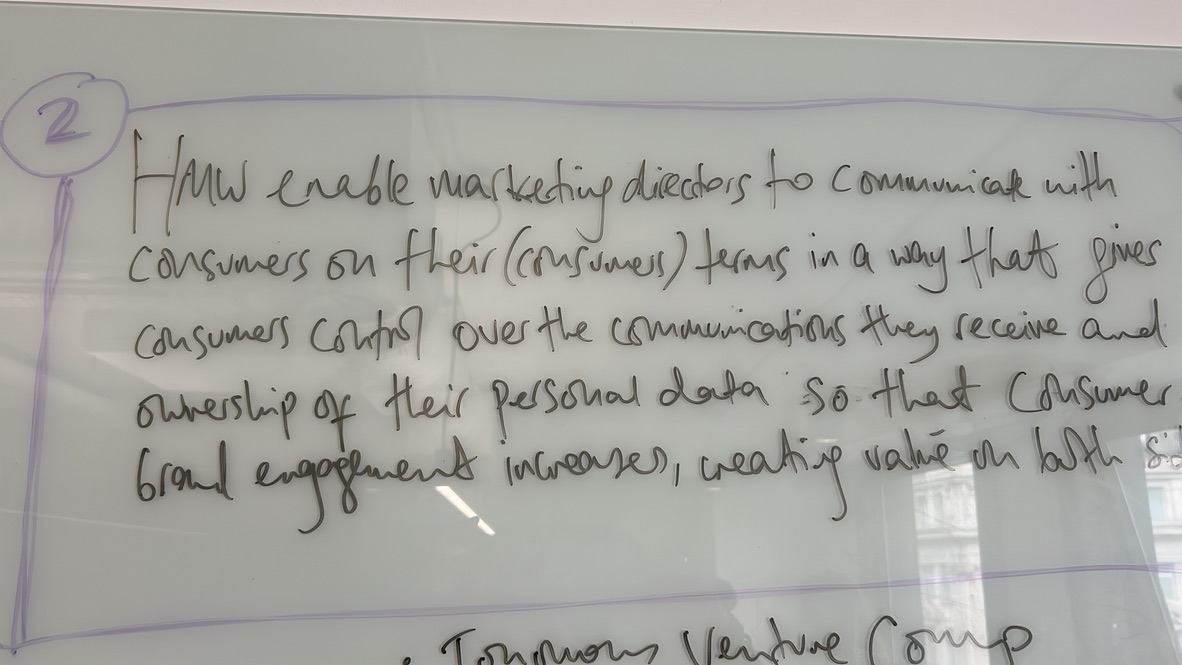

Building new ventures across healthcare, biotech and AI-powered customer intelligence.
Working across Egypt and Saudi Arabia with scientists, clinicians, entrepreneurs, designers and operators to take early ideas through validation, proposition development and seed funding opportunities.
Each venture involved bringing together different disciplines and perspectives to explore opportunities at the intersection of technology, science and commercial need. I led multidisciplinary teams through six-month incubation sprints, applying design thinking and lean startup principles to turn ambitious concepts into credible businesses and investment opportunities.
Sports Business Syndicate

Founder & CEO | 2024–present
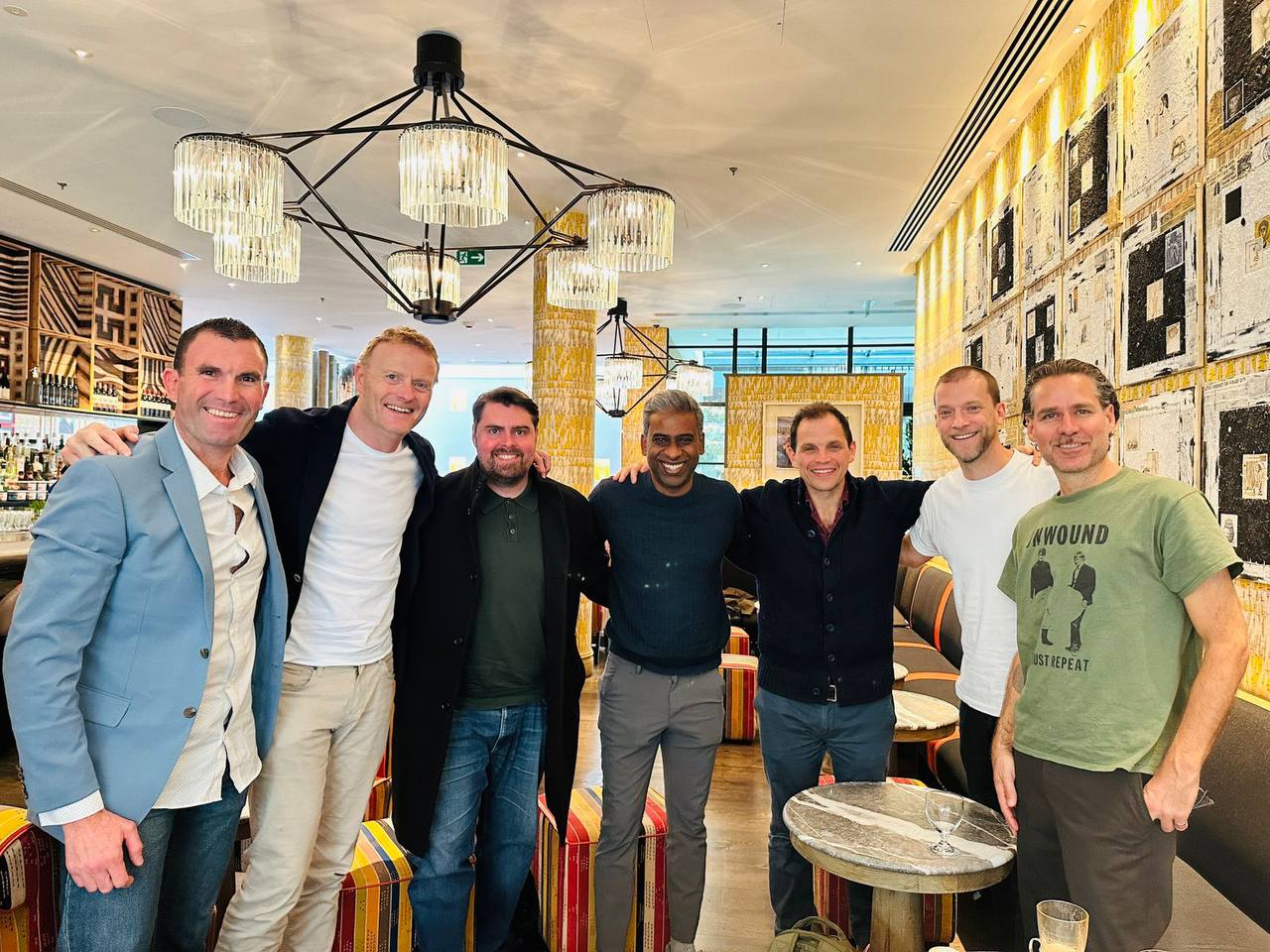
Built and commercialised a global network for senior leaders, investors and decision-makers across sport, combining paid membership, events and an AI-enabled member platform.
Grew to 2,000+ members across 43 countries, enabling 30+ commercial partnerships and creating opportunities across sports investment, club acquisitions and strategic advisory.
Chorus

Founder | 2026–present
Developing a SaaS platform that unifies signals across enterprise tools, community platforms and social channels to create a single view of participation.
The first implementation is a Community Management Engine (CME), using AI to surface insights, identify opportunities and automate community planning and orchestration across otherwise fragmented systems.
The thesis grew from building and operating Sports Business Syndicate and exploring how organisations capture value from participation across multiple owned and non-owned channels.